
Swimming pools, lakes, beaches, and water parks can create some of the best childhood memories. But whenever children are around water, safety must come first. Learning important water safety tips for kids can help parents establish good habits while teaching children to respect the water without being afraid of it.
At Winchester Swim Academy, water safety is at the center of swim instruction. Our programs follow the American Red Cross Learn-to-Swim curriculum and help children develop swimming skills, confidence, and greater awareness around water.
Swimming lessons are an important part of water safety, but lessons alone are never enough. Children still require appropriate supervision, safe environments, and responsible behavior around water.
Whether your family is spending an afternoon at the pool or heading to the lake for a weekend, these water safety tips for kids can help establish safer habits that children can carry with them throughout their lives.
Why Water Safety Tips for Kids Are So Important
Drowning can happen quickly and quietly.
According to the Centers for Disease Control and Prevention, drowning is the leading cause of death for children ages 1–4 in the United States. For children ages 5–14, it is the second-leading cause of unintentional injury death.
The CDC also reports that formal swimming lessons can reduce drowning risk, although even children who have received swimming lessons still require close and constant supervision around water.
Water safety should therefore involve multiple layers of protection.
Here are some of the most important water safety tips for kids every family should know.
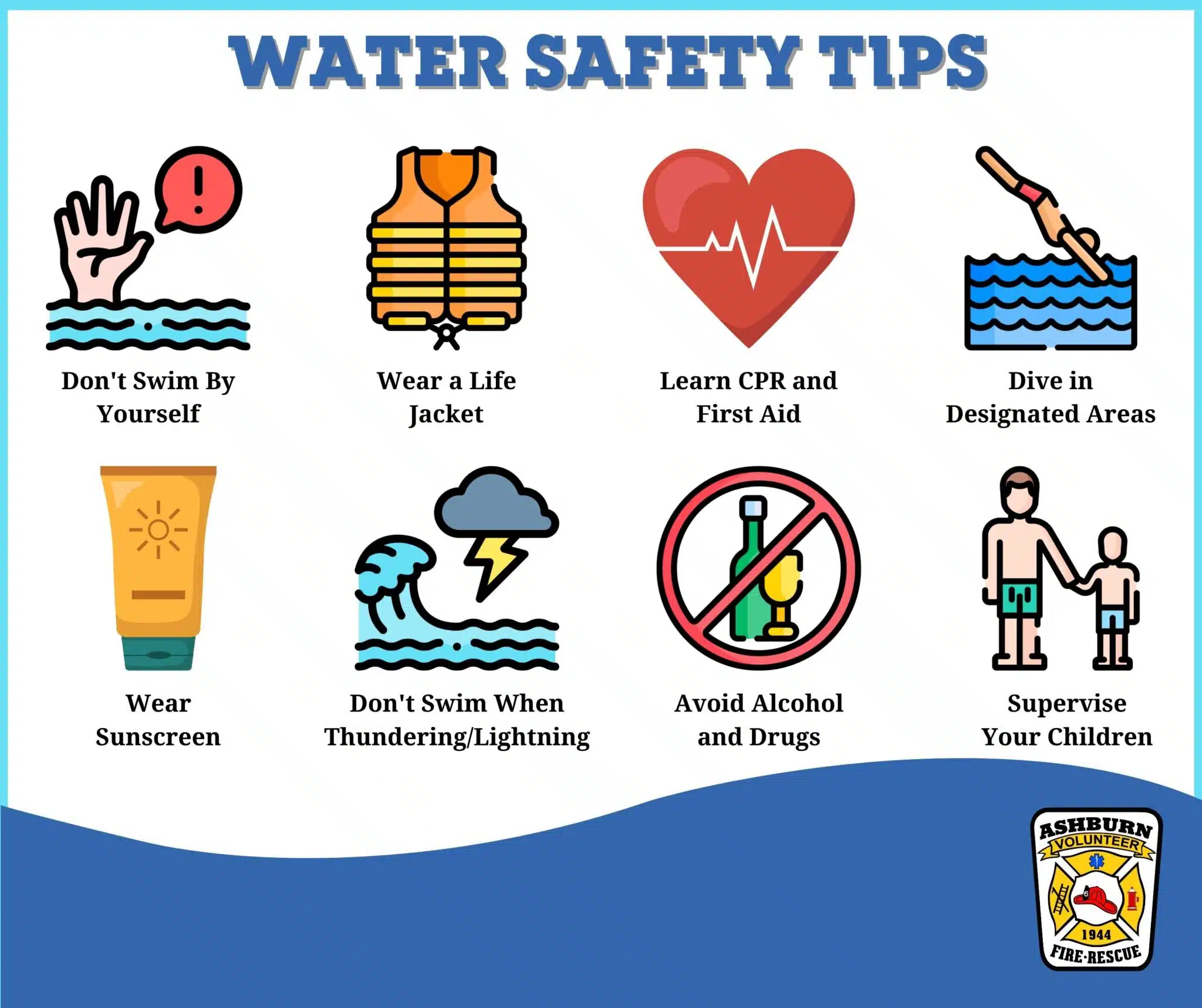
1. Never Allow Children to Swim Alone
One of the simplest water safety rules for kids is also one of the most important:
Children should never swim alone.
Kids should understand from an early age that they need permission and appropriate adult supervision before entering the water.
This applies even when a child knows how to swim.
Children can become tired, frightened, injured, or overwhelmed. Conditions can also change unexpectedly, particularly in natural bodies of water.
Families can establish a simple rule:
No adult, no swimming.
Making that expectation consistent helps children understand that supervision is a normal part of being around water.
2. Provide Close and Constant Supervision
Another one of the most important water safety tips for kids involves the parents:
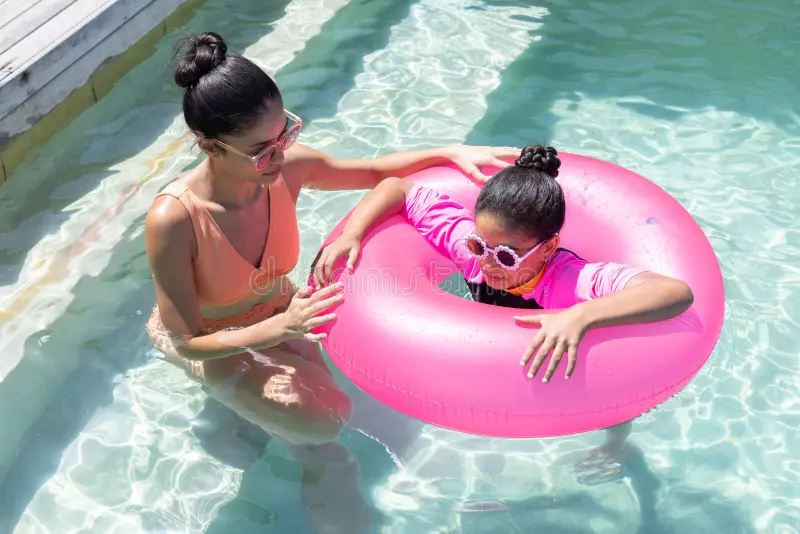
Adults supervising children around water should remain attentive.
Being physically near the pool isn’t necessarily the same as actively supervising.
Phones, conversations, books, food preparation, and other distractions can pull attention away from children.
The American Academy of Pediatrics recommends close, constant supervision when children are in or around water and emphasizes using multiple layers of protection to reduce drowning risk.
Parents should know:
- Where their child is
- What the child is doing
- How comfortable the child is in the water
- Whether conditions are changing
- Whether the child is becoming tired
Young or inexperienced swimmers may require particularly close supervision.
Even a strong swimmer should never be considered “drown-proof.”
3. Teach Children to Ask Before Entering Water
One of the best water safety tips for kids is also one of the easiest to practice away from the pool.
Teach your child:
Always ask an adult before getting into the water.
That rule can apply to:
- Swimming pools
- Hot tubs
- Lakes
- Rivers
- Ponds
- Beaches
- Water parks
Children should understand that seeing water does not automatically mean it is safe to enter.
Parents can reinforce this rule every time the family visits a pool or other aquatic environment until asking permission becomes automatic.
4. Enroll Children in Professional Swim Lessons
Learning how to swim is an important layer of water safety tips for kids.
Professional lessons introduce children to swimming skills through structured instruction rather than expecting them to figure things out on their own.
At Winchester Swim Academy, we proudly teach the American Red Cross Learn-to-Swim curriculum.
Our programs are designed to develop water safety, swimming ability, strength, and confidence through progressive instruction.
Children can work on skills such as:
- Water comfort
- Breath control
- Floating
- Kicking
- Safe entry and exit
- Swimming strokes
- Endurance
- Water awareness
- Independent swimming
Parents who aren’t sure where their child should begin can also use our Swim Level Finder.
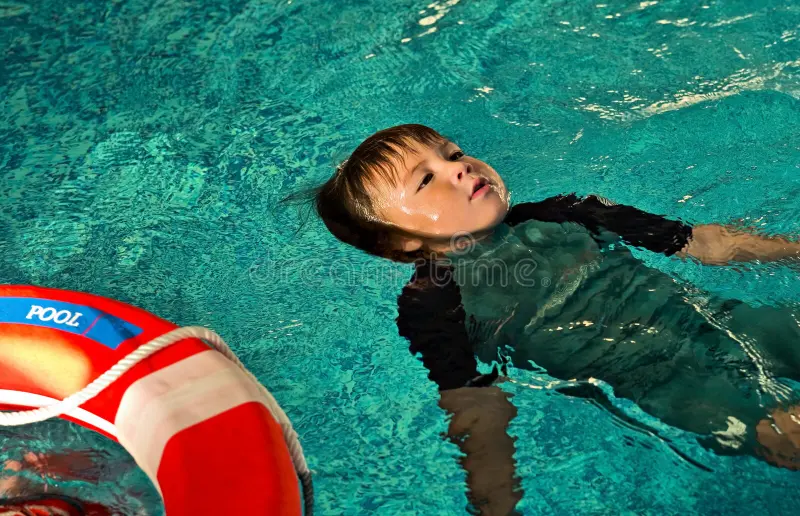
5. Teach Children How to Float
Floating is an important foundational swimming skill and very important when learning about water safety tips for kids.
Children can become tired while swimming, and knowing how to become comfortable on their back and maintain buoyancy is an important part of developing water competency.
Learning to float can also help children become more comfortable with how their bodies behave in water.
Professional swim instruction introduces floating progressively so children can practice the skill in an appropriate learning environment.
At first, an instructor may provide substantial assistance. As the swimmer develops confidence and body control, that assistance can gradually decrease.
6. Teach Safe Ways to Enter and Exit the Pool
Kids often become so excited about swimming that their first instinct is simply to jump in.
Children learning how to enter the water safely is important when discussing water safety tips for kids.
They should understand:
- Where they are allowed to enter
- Whether diving is permitted
- How deep the water is
- How to use ladders and steps
- How to exit the pool safely
- Why running around a pool is dangerous
Children should never dive into water unless they know it is an appropriate designated diving area and have been taught how to do so safely.
Learning how to exit the water is just as important as learning how to enter it.
7. Walk Around Pools—Don’t Run
Wet pool decks can be slippery.
Children should learn early that running around a pool increases the chance of slipping, falling, and becoming injured.
Make “Walk, don’t run” one of your family’s standard pool rules.
Parents can reinforce the behavior by following the rule themselves.
Water safety tips for kids don’t just include what happens inside the pool. Safe behavior around the pool deck matters too.
8. Use Properly Fitted Life Jackets When Appropriate
Life jackets provide another important layer of protection during many aquatic activities.
The CDC recommends properly fitted life jackets for activities in or around natural water, especially boating.
Children should understand that wearing a life jacket doesn’t mean they’re a poor swimmer.
It’s safety equipment, and lifesaving water safety tips for kids.
Just as children wear helmets while riding bikes and seat belts while riding in cars, life jackets are used when conditions or activities call for additional protection.
Parents should use properly fitted, appropriate life jackets rather than relying on toys or inflatable pool products as substitutes for safety equipment.
9. Teach Children That Pools and Lakes Are Different
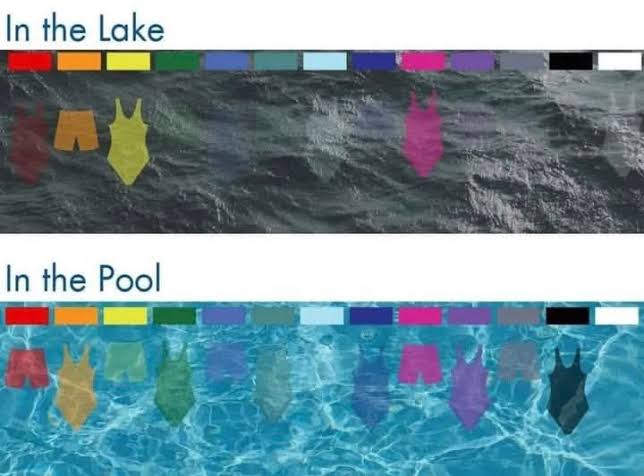
A child who swims confidently in a pool isn’t automatically prepared for every aquatic environment.
Pools generally provide controlled conditions.
Natural bodies of water may involve:
- Currents
- Waves
- Sudden depth changes
- Uneven bottoms
- Cold water
- Underwater vegetation
- Rocks
- Limited visibility
- Changing weather
One of the most valuable water safety tips for kids is teaching them that swimming ability must always be matched to the environment.
A child who comfortably swims across a pool may still require additional precautions at a lake, river, or beach.
10. Never Encourage Breath-Holding Competitions
Children sometimes turn swimming into competitions with friends, including seeing who can stay underwater the longest.
This should be discouraged.
Children should never participate in extended underwater breath-holding games or contests.
Swimming should be fun, but games should never encourage unsafe behavior.
Parents and instructors can redirect competitive energy toward safer activities, swimming skills, and age-appropriate challenges.
11. Keep Home Pools Properly Secured
Water safety tips for kids begin before anyone enters the pool.
The CDC recommends four-sided fencing that fully encloses a home pool and separates it from the house and yard.
Barriers can help prevent young children from reaching a pool when adults don’t realize they’re near the water.
Families with home pools should consider multiple safety measures, including:
- Appropriate fencing
- Self-closing and self-latching gates
- Secure access points
- Active supervision
- Removal of tempting toys when the pool isn’t being used
Young children are naturally curious.
Physical barriers add another layer of protection when a child wanders away from an adult.
12. Teach Children What to Do If Someone Else Is in Trouble
A child who sees another swimmer struggling may instinctively want to jump into the water to help.
That can put both children in danger.
When discussing water safety tips for kids, children should be taught to get an adult or lifeguard immediately rather than entering the water themselves.
Older children can gradually learn appropriate emergency response skills as they become capable of understanding them.
Families should also consider CPR and water-safety education for parents, caregivers, and older children when age-appropriate.
The American Academy of Pediatrics emphasizes that parents and caregivers should know how to respond during a drowning emergency.
Water safety tips for kids are a family responsibility.
13. Don’t Let Swimming Ability Create False Confidence
One of the most important water safety tips for kids that parents can remember is that knowing how to swim does not eliminate drowning risk.
A child might be able to swim several lengths of a pool and still become exhausted, injured, disoriented, or overwhelmed.
Swimming ability should complement other safety measures—not replace them.
Continue to:
- Supervise children
- Establish clear rules
- Use appropriate life jackets
- Respect weather conditions
- Follow lifeguard instructions
- Consider the swimming environment
- Encourage children to recognize their limits
Strong swimmers still need safe habits.
14. Build Water Confidence Without Removing Respect for Water
Parents naturally want their children to feel confident.
But confidence and caution should develop together.
A child who is terrified of water may struggle to learn. On the other hand, a child who becomes overly confident may take unnecessary risks.
Quality swimming instruction helps children understand both what they can do and where their limits currently are.
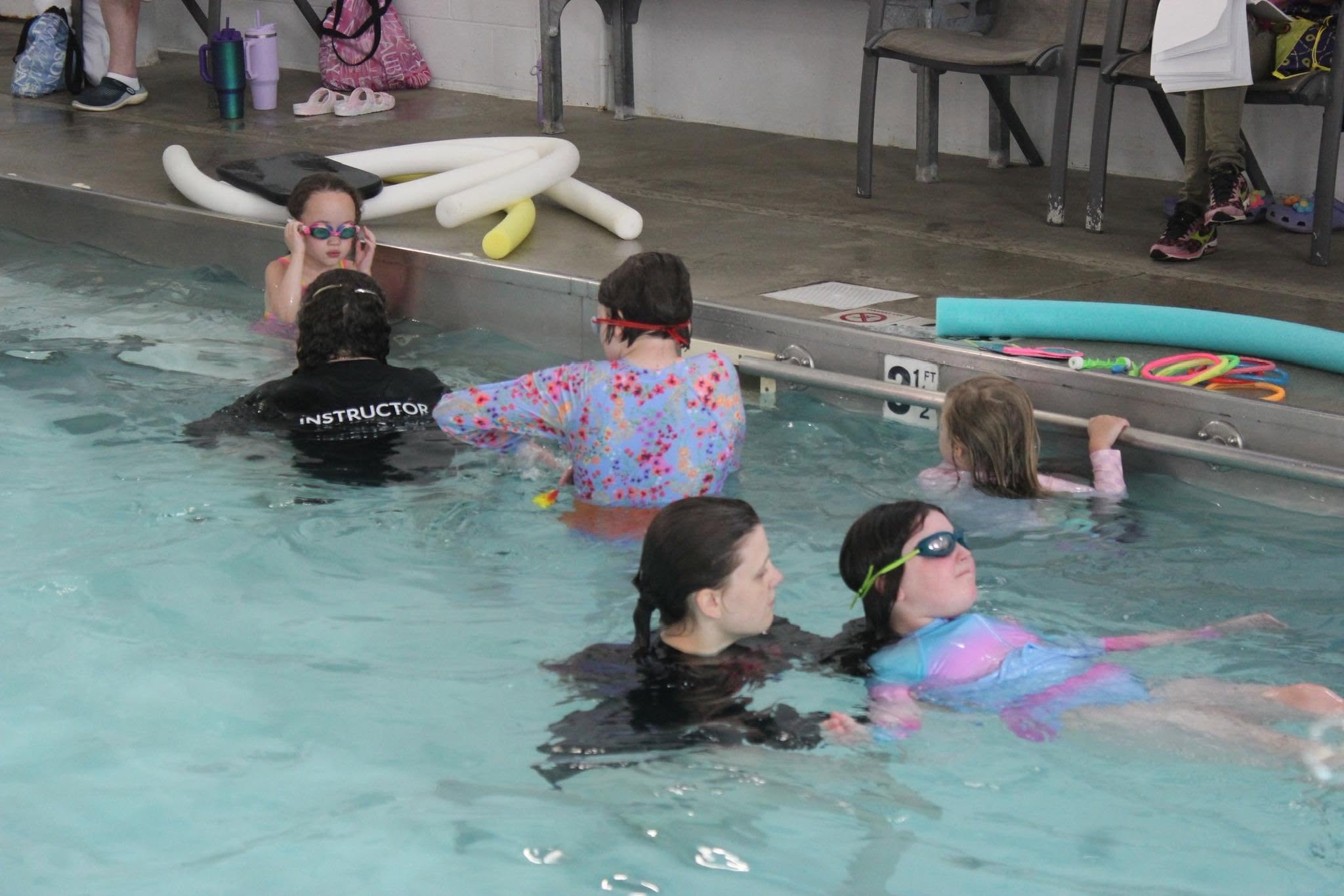
At Winchester Swim Academy, our small group lessons allow instructors to personalize water-safety instruction while children learn alongside peers.
For swimmers who benefit from individualized attention, private lessons provide focused one-on-one instruction.
15. Make Water Safety Tips for Kids Part of Everyday Family Conversations
You don’t have to wait until you’re standing beside a pool to discuss water safety tips for kids.
Talk about it regularly.
Before a vacation, review beach or hotel-pool rules.
Before visiting a lake, discuss life jackets.
Before going to a water park, remind children to listen to lifeguards and follow posted rules.
Repetition helps turn safety instructions into habits.
Instead of presenting water safety tips for kids as something frightening, parents can frame it the same way they teach children to look both ways before crossing a street.
It’s simply part of learning how to enjoy an activity responsibly.
Swimming Lessons Are One Part of Water Safety
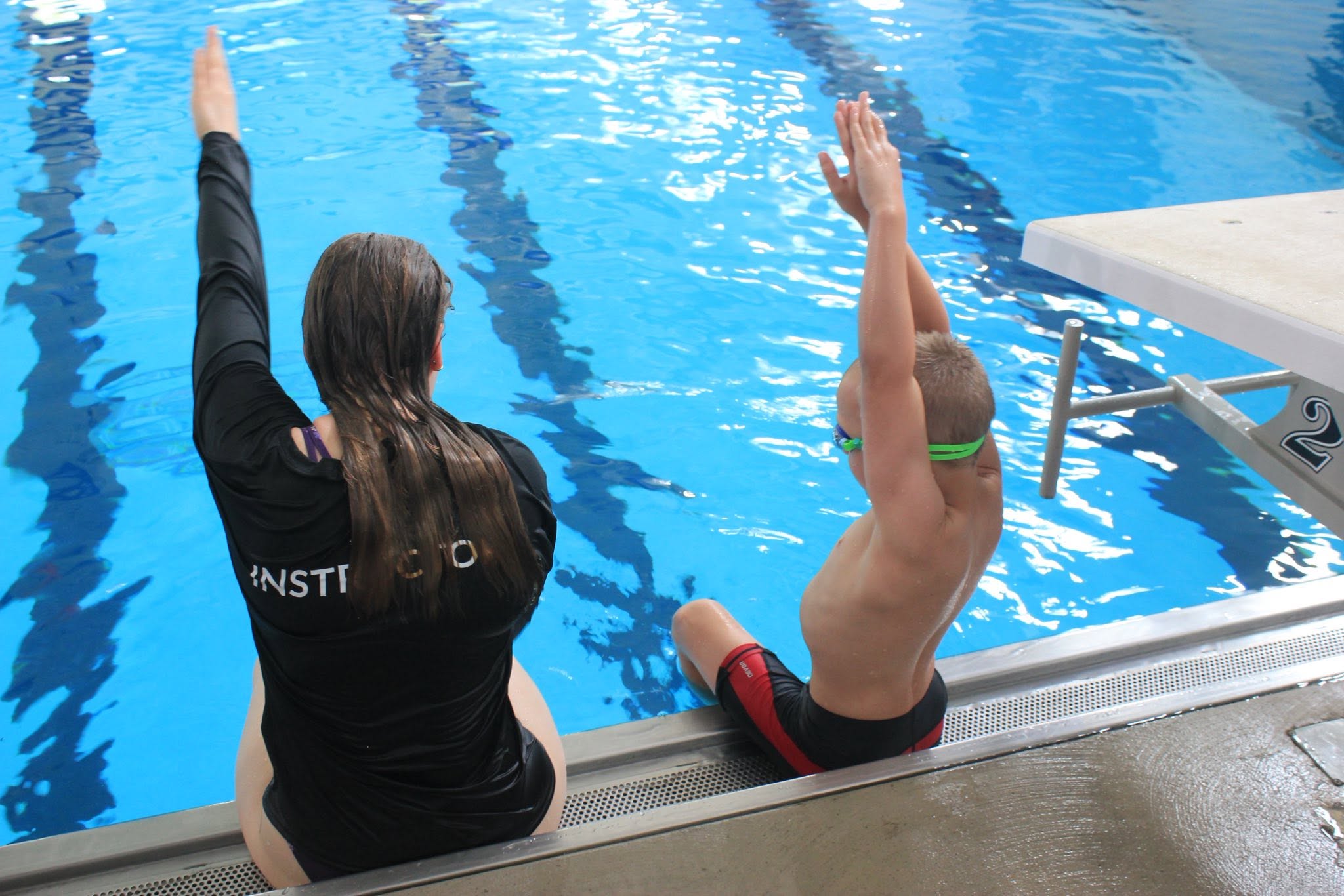
The American Red Cross reports that formal swimming lessons can reduce drowning risk among children and young adults.
However, swimming lessons should always be combined with other precautions.
A safer approach includes multiple layers:
Swimming skills + supervision + safe environments + appropriate safety equipment + good decisions.
No single precaution replaces all the others.
Adults can also learn more water safety tips for kids from Healthy Children.
Learn Water Safety With Winchester Swim Academy
Teaching water safety tips for kids is about more than creating a list of pool rules.
It’s about helping children develop the knowledge, swimming ability, confidence, and respect necessary to make safer decisions whenever they’re around water.
At Winchester Swim Academy, water safety is part of our mission.
We proudly teach the American Red Cross Learn-to-Swim Program and offer instruction for swimmers at different ages and ability levels. Our programs emphasize progressive skill development in a positive environment where swimmers can build confidence while learning important water-safety skills.
Whether your child is experiencing the pool for the first time or developing more advanced swimming abilities, professional instruction can help establish skills that extend far beyond a single swimming season.
You can also learn more about the academy and its commitment to water safety.
Pools, lakes, beaches, and other aquatic environments can provide children with years of fun and unforgettable experiences. By practicing these water safety tips for kids, providing active supervision, and helping children develop strong swimming skills, families can make safety part of every trip to the water.