
Swimming is more than a recreational activity or a fun way to spend a summer afternoon. It is a skill that can improve water safety, build confidence, encourage physical activity, and open the door to a lifetime of aquatic experiences. Understanding the importance of learning to swim can help families recognize why quality swimming instruction is valuable for children and adults alike.
At Winchester Swim Academy, we believe everyone deserves the opportunity to become a safer, stronger, and more confident swimmer. We proudly teach the American Red Cross Learn-to-Swim program, providing structured instruction that helps swimmers gradually develop their abilities while building confidence in the water.
Whether someone is six months old, six years old, or learning as an adult, it is never too early—or too late—to begin developing swimming skills.
1. The Importance of Learning To Swim Begins With Water Safety
The most important reason to learn how to swim is water safety. But learning the importance of learning to swim isn’t just exclusive to pools.
Pools, lakes, rivers, beaches, and other bodies of water are part of everyday recreation for millions of families. Children may encounter water during vacations, birthday parties, summer camps, school activities, or visits to friends and relatives.
Knowing basic swimming and water-safety skills can help people become better prepared for those environments.
According to the Centers for Disease Control and Prevention, drowning is the leading cause of death for children ages 1–4 in the United States. The CDC also reports that formal swimming lessons can reduce drowning risk.
That does not mean swimming lessons make a child drown-proof.
Even children who know how to swim still need close and constant adult supervision around water. Swim lessons should be viewed as one important layer of protection alongside attentive supervision, appropriate barriers, life jackets when needed, and responsible behavior around water.
The importance of learning to swim starts with developing swimming ability and water-safety knowledge.
2. The Importance of Learning to Swim- Builds Confidence Around Water
For someone who cannot swim, even relatively shallow water can feel intimidating.
Children who are unfamiliar with the pool may initially feel nervous about:
-
Getting their face wet
-
Putting their head underwater
-
Floating
-
Leaving the pool wall
-
Moving independently
-
Entering deeper water
-
Learning unfamiliar swimming movements
Structured swim lessons introduce these experiences progressively.
Instead of expecting a beginner to immediately swim across the pool, instructors can start with foundational skills and gradually build upon them.
A swimmer might begin by becoming comfortable entering the water. Next, they may practice breath control, floating, kicking, and basic movement.
Every accomplishment creates another opportunity for confidence to grow.
This gradual development demonstrates another aspect of the importance of learning to swim: swimmers can learn to feel capable around water while also developing a healthy respect for it.
3. Swimming Is a Skill That Can Last a Lifetime
Children learn many activities that are tied closely to a particular stage of life.
Swimming is different.
A person can potentially enjoy swimming from childhood through their senior years.
Swimming skills can be used for:
-
Recreational swimming
-
Vacations
-
Pool activities
-
Beach trips
-
Boating
-
Water sports
-
Competitive swimming
-
Exercise
-
Fitness
-
Family activities
A child who learns to swim today may use those abilities decades from now.
That makes the importance of learning to swim an investment in a lifelong skill rather than simply another childhood activity.

4. The Importance of Learning to Swim- Can Encourage an Active Lifestyle
The importance of learning to swim extends beyond safety.
Swimming can also become an enjoyable form of physical activity.
The CDC’s physical activity guidelines emphasize the importance of regular physical activity for health and well-being.
Once people know how to swim, the pool becomes another place where they can be physically active.
Swimming engages many areas of the body and can help swimmers develop:
-
Endurance
-
Coordination
-
Strength
-
Body control
-
Balance
-
Cardiovascular fitness
Most importantly, swimming can make physical activity enjoyable.
Children who associate movement with fun may be more enthusiastic about staying active.
5. Swimming Lessons Teach Progressive Skill Development
Children aren’t born knowing how to swim.
Like riding a bicycle, reading, or playing an instrument, the importance of learning to swim is a skill that must be learned and practiced.
At Winchester Swim Academy, our programs follow the American Red Cross Learn-to-Swim curriculum.
The curriculum provides structured progression so swimmers can develop foundational abilities before moving toward increasingly advanced skills.
Our Learn-to-Swim Aquatics program includes Levels 1–6, progressing from basic water skills and stroke introduction toward refined technique, endurance, and more advanced stroke development.
Parents who aren’t sure where their swimmer belongs can use our Swim Level Finder to help identify an appropriate starting point.
Learning progressively matters because swimming skills build upon one another.
A swimmer who becomes comfortable floating, controlling their breathing, and moving through the water develops a stronger foundation for more advanced techniques later.
6. Importance of Learning To Swim- Can Help Children Develop Independence
One of the most rewarding moments for parents can be watching a child accomplish something independently for the first time.
Swimming provides many of those moments.
The first independent float.
The first successful kick.
The first time swimming away from the wall.
The first complete lap.
These accomplishments can help children recognize that practice and persistence lead to progress.
That confidence doesn’t necessarily remain confined to the swimming pool.
Learning a challenging new skill can teach children that they are capable of improving through practice.
7. Swimming Can Create Opportunities for Family Fun
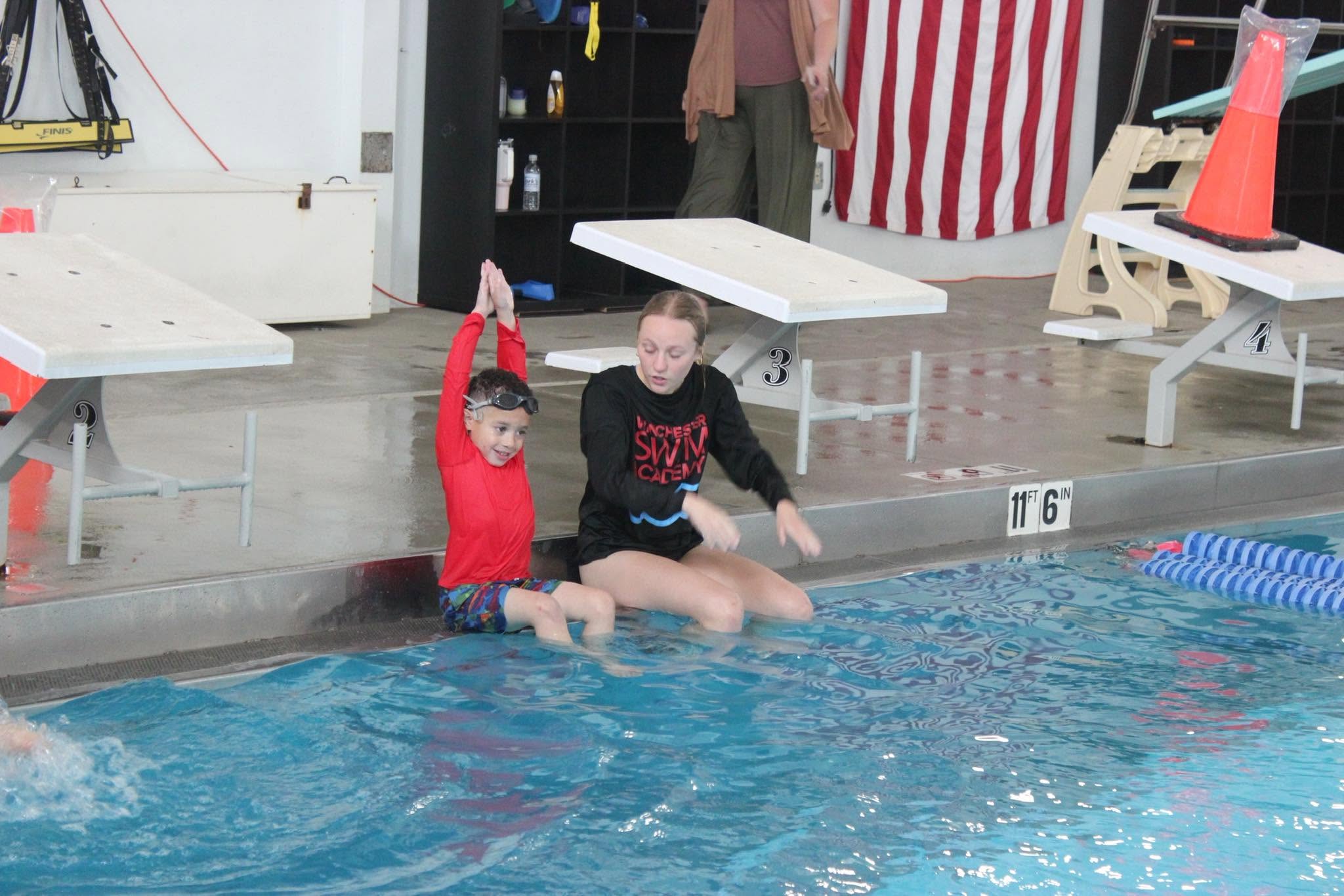
Consider how many family experiences involve water.
Vacations may include hotel pools or beaches. Summer weekends might involve a community pool. Families may visit lakes, water parks, or recreational facilities.
When children become more capable swimmers, they can participate more confidently in many of these activities.
Swimming can become something families enjoy together rather than something a child avoids because they’re uncomfortable around water.
Of course, swimming ability never eliminates the need for appropriate supervision.
But developing greater comfort and competence can help children participate more fully in family experiences involving water.
8. The Importance of Learning To Swim Isn’t Limited to Children
It is never too late to learn how to swim.
Some adults reach adulthood without ever receiving formal swimming instruction.
Others may technically know how to swim but don’t feel comfortable in deeper water or haven’t developed efficient technique.
Winchester Swim Academy offers adult swimming instruction for different ability levels, from beginners learning to become comfortable in the water to more experienced swimmers interested in refining technique and developing endurance.
Adult lessons can help individuals work toward personal goals in a supportive, low-pressure environment.
The importance of learning to swim doesn’t disappear when someone turns 18.
Swimming and water-safety skills can remain valuable throughout adulthood.
9. Professional Swim Lessons Provide Structured Instruction
Parents naturally play an important role in helping children become comfortable around water.
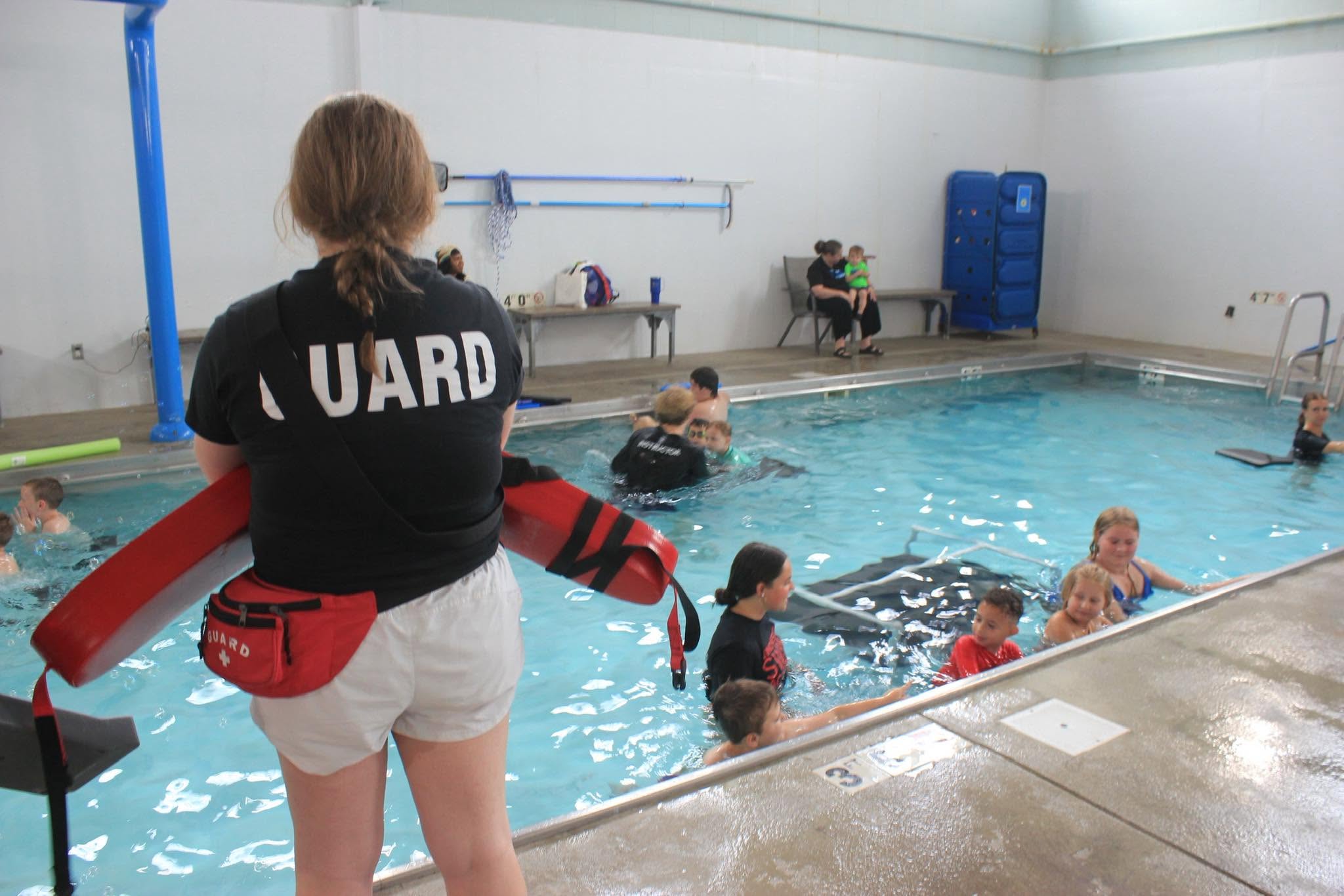
But professional swimming instruction provides structured skill development.
Qualified instructors understand how to introduce swimming abilities progressively, identify areas that need additional practice, and provide feedback as swimmers develop.
Professional instruction may include work on:
-
Breath control
-
Floating
-
Kicking
-
Body positioning
-
Safe water entry
-
Safe water exit
-
Stroke development
-
Endurance
-
Water-safety awareness
At Winchester Swim Academy, our programs are guided by American Red Cross standards and focus on developing safe, strong, and successful swimmers.
Families can learn more about our instructors and approach on our Meet the Team page.
10. Different Swimmers Benefit From Different Learning Environments
There isn’t one perfect way for every person to learn how to swim.
Some swimmers love being around other children and become motivated by watching their peers.
Others benefit from individualized instruction.
That’s why Winchester Swim Academy offers multiple lesson formats.
Group Swim Lessons
Our group swim lessons use small classes to provide individual attention while giving swimmers opportunities to learn in a social environment.
Children can observe classmates, encourage one another, and work toward their own goals while participating in structured instruction.
Private Swim Lessons
Our private swim lessons provide focused one-on-one instruction.
Private lessons can be especially helpful for beginners who need extra attention, swimmers working toward specific goals, and individuals who benefit from personalized coaching.
The best learning environment depends on the swimmer’s abilities, personality, comfort level, and goals.
11. Importance of Learning To Swim- Helps Develop Respect for Water
The importance of learning to swim starts with confidence. Confidence is valuable. But overconfidence can be dangerous.
Quality swim instruction shouldn’t teach someone that water is harmless. Instead, swimmers should develop confidence and respect for aquatic environments.
Someone can be an excellent pool swimmer and still encounter challenges in open water.
Lakes, rivers, and oceans can introduce conditions such as:
-
Currents
-
Waves
-
Cold water
-
Changing depths
-
Limited visibility
-
Uneven surfaces
-
Weather changes
Swimming ability should always be paired with good judgment.
The American Red Cross’ Swimming Safety guidance recommends multiple layers of protection, including learning basic swimming and water-safety skills, supervising children closely, using appropriate barriers around pools, and wearing life jackets when appropriate.
Learning how to swim is important, but understanding your limitations is equally valuable.
12. Consistency Helps Swimmers Continue Developing
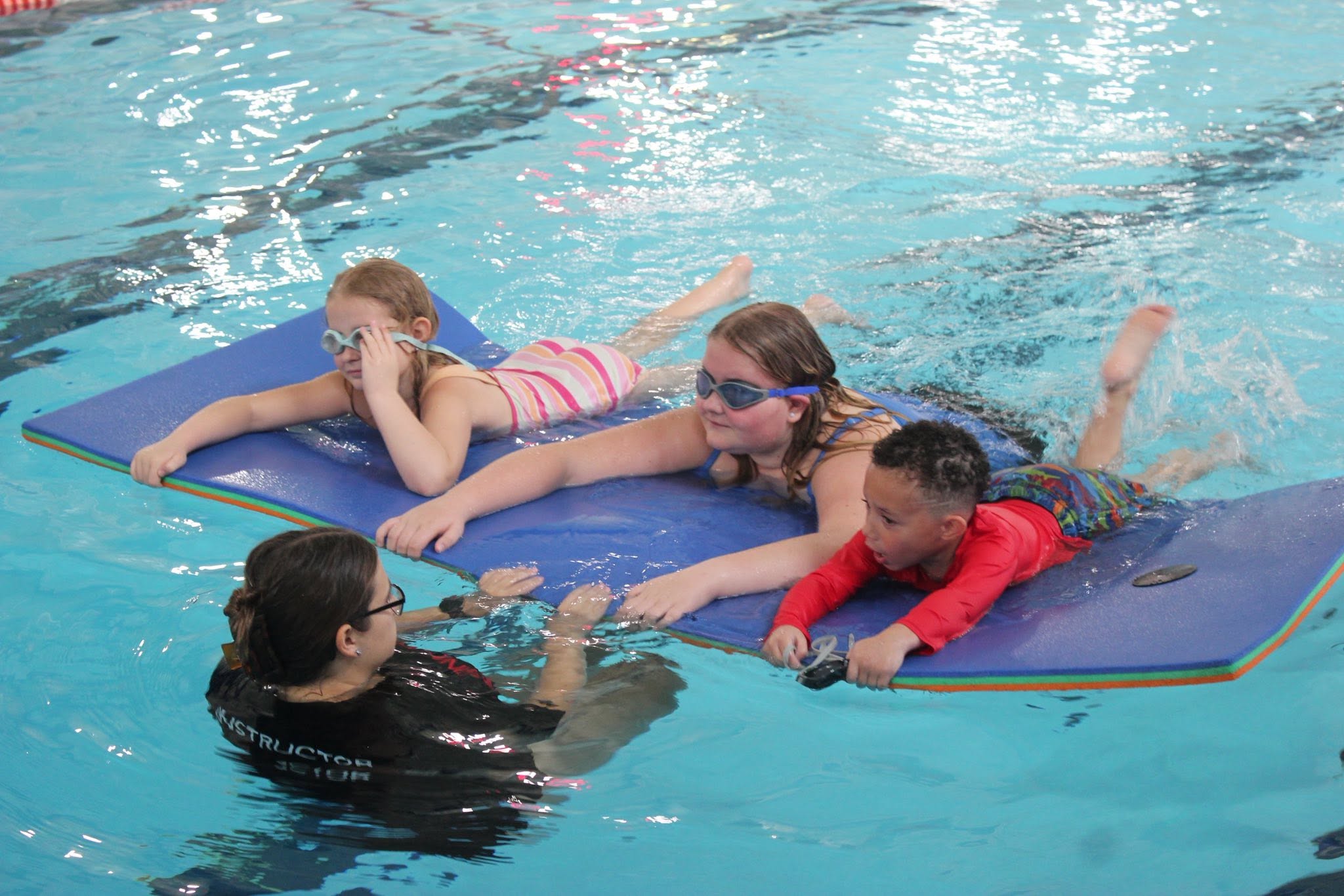
Like most skills, swimming improves through practice.
A single lesson cannot transform someone into an advanced swimmer.
Swimmers need opportunities to repeat movements, become more comfortable, refine techniques, and gradually tackle new challenges.
The importance of learning to swim starts with consistency. Consistent instruction can help skills become increasingly familiar.
At Winchester Swim Academy, our curriculum is designed so skills build upon previous accomplishments. As swimmers develop stronger foundations, they can progress toward increasingly advanced abilities.
13. Swimming Skills Can Open the Door to New Experiences
Learning to swim isn’t necessarily the end goal.
It can be the beginning.
Once someone becomes a capable swimmer, they may eventually become interested in:
-
Competitive swimming
-
Lifeguarding
-
Snorkeling
-
Kayaking
-
Paddleboarding
-
Triathlons
-
Aquatic fitness
-
Boating
-
Other water sports
A lack of swimming ability can make many aquatic activities intimidating or inaccessible.
The importance of learning to swim gives individuals a foundation they can continue using and expanding throughout their lives.
14. Water Safety Education Benefits the Entire Family
The importance of learning to swim doesn’t stop with the person taking lessons.
Swimming instruction can encourage families to think more carefully about water safety in general.
Parents can reinforce important habits by discussing:
-
Asking permission before entering water
-
Never swimming alone
-
Following pool rules
-
Listening to lifeguards
-
Walking instead of running on pool decks
-
Using appropriate life jackets
-
Recognizing personal swimming limits
-
Practicing close supervision
The American Red Cross also provides water-safety resources families can use to learn more about safer behavior in and around water.
The more families discuss water safety, the more naturally those habits can become part of everyday life.

15. The Importance of Learning To Swim- Can Be Empowering at Any Age
There is something powerful about learning a skill that once seemed impossible.
A nervous child who once refused to leave the pool steps may eventually swim independently.
An adult who spent years avoiding deep water may gradually become comfortable floating and swimming.
A beginner may eventually discover a lifelong passion for swimming.
Progress won’t look exactly the same for everyone.
Some swimmers learn certain skills quickly. Others need additional practice and encouragement.
What matters is continued progress.
The importance of learning to swim isn’t about becoming the fastest swimmer in the pool. It is about becoming more capable, knowledgeable, comfortable, and confident in the water.
Discover the Importance of Learning To Swim at Winchester Swim Academy
Learning to swim can provide benefits that extend far beyond the pool.
Swimming instruction can help people develop water-safety skills, improve confidence, stay physically active, participate in new activities, and build an ability they may use throughout their lives.
At Winchester Swim Academy, our mission is to help build safe, strong, and successful swimmers.
We proudly teach the American Red Cross Learn-to-Swim program and offer swimming instruction for different ages, abilities, and goals. From young beginners experiencing the water for the first time to adults ready to improve their swimming abilities, we strive to create a positive environment where swimmers can learn, grow, and succeed.
Understanding the importance of learning to swim means recognizing that swimming isn’t simply a sport or recreational activity.
It’s a lifelong skill.
And every confident swimmer begins by learning the fundamentals one skill, one lesson, and one accomplishment at a time.